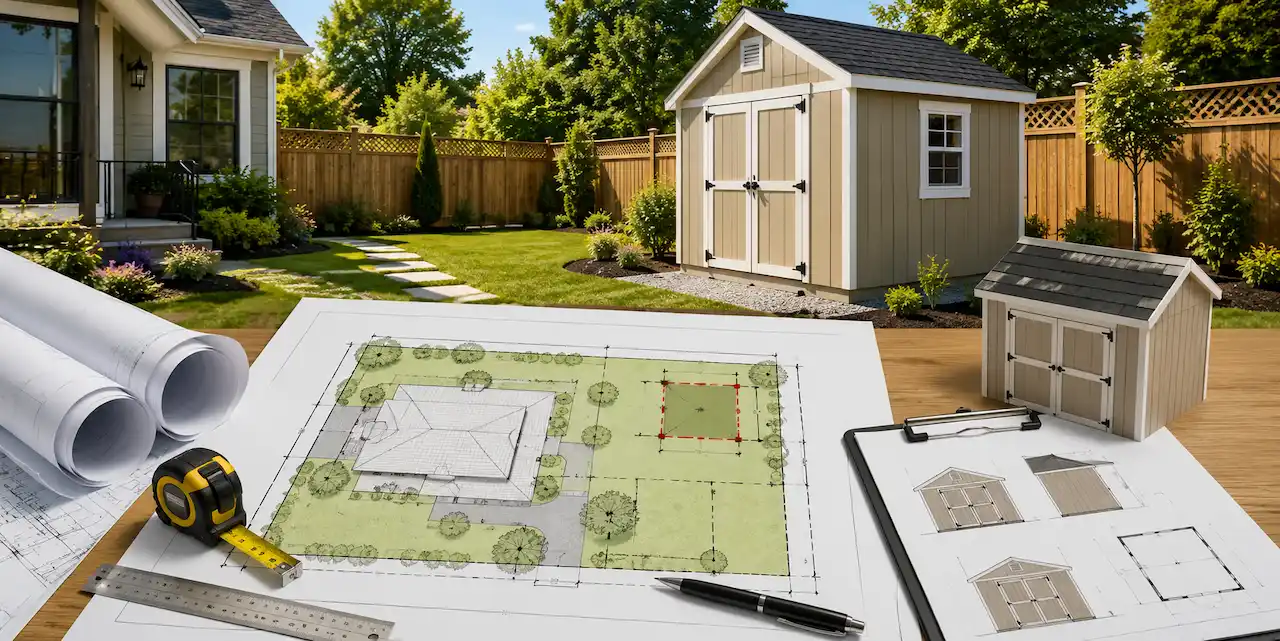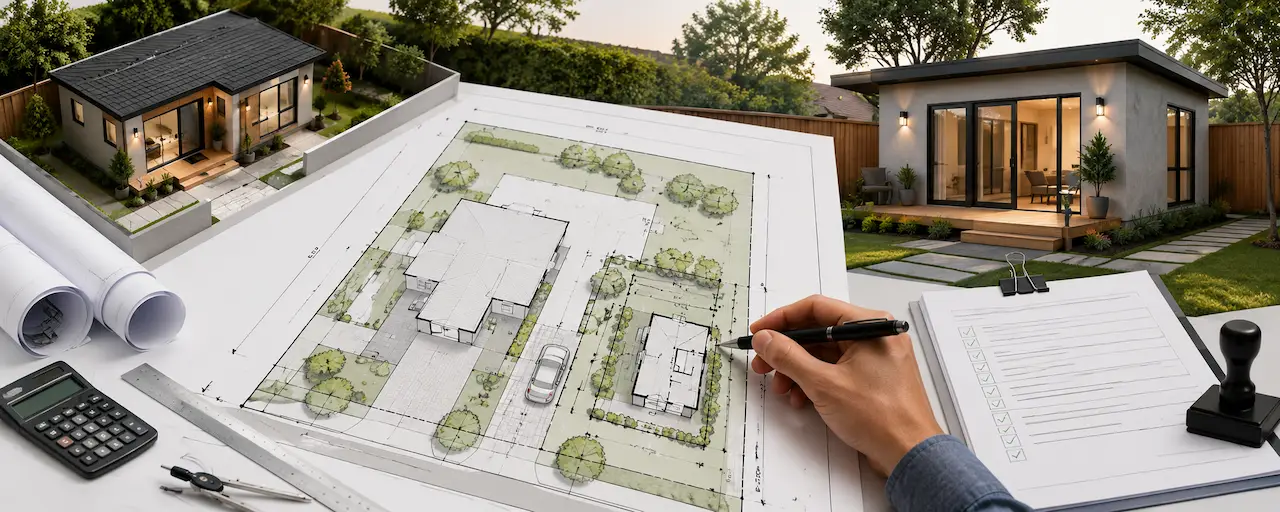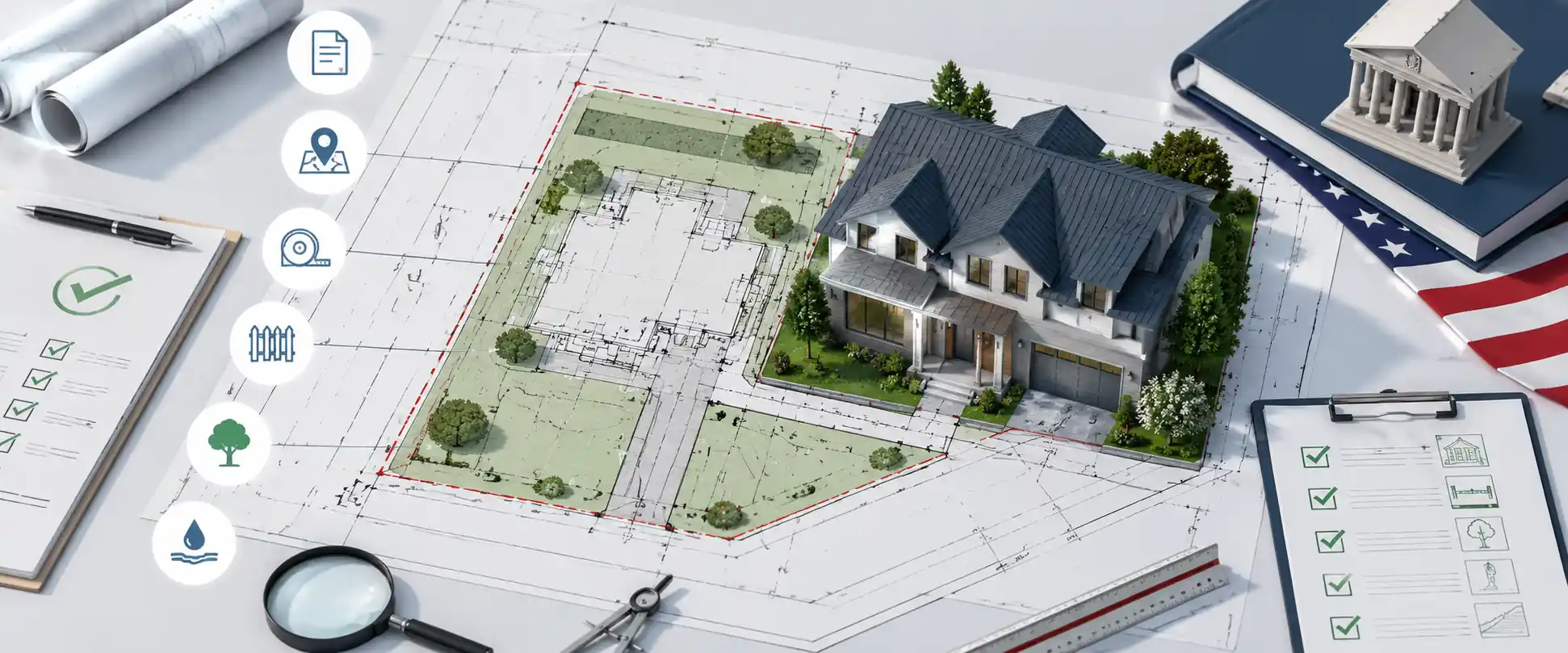
When a city or county building department asks for a site plan, they’re not asking for a rough sketch. They’re asking for a specific document that contains specific elements and if anything is missing, the permit review stops until you provide it.
I’m Engineer Wasim. My team has prepared site plans for building permits in hundreds of cities across the United States. This guide gives you the complete, practical checklist of what most building departments require and explains why each element matters.
Why Cities Ask for Site Plans
A building permit authorizes work on your property. Before issuing one, the building department needs to verify two things:
- The proposed project is located correctly on the lot meaning it respects setbacks, doesn’t encroach on easements, and doesn’t exceed impervious surface limits.
- The drawings are clear enough to review without guessing.
A site plan answers both. It gives the reviewer a visual record of what exists on the property and what you propose to add.
Without a site plan, the reviewer has no way to verify setback compliance. Without setback verification, no permit gets issued.
Universal Site Plan Requirements
These elements are required by nearly every building department in the United States:
1. Property Boundaries with Dimensions
Show all four (or more) lot lines with measurements in feet. This establishes the property boundary that all setbacks are measured from.
2. Legal Description and Parcel ID
Your property’s legal description from the deed and the county parcel identification number. These must match county records exactly.
3. Property Address and Street Name
The full property address must appear on the plan, along with the names of any adjacent streets.
4. North Arrow
Required on every permit site plan without exception. It establishes orientation and tells the reviewer which property line is the front.
5. Scale Label and Graphic Scale Bar
The plan must be drawn to scale and must state the scale usually 1 inch equals 20 feet for residential plans. A graphic scale bar is required by most jurisdictions in addition to the written scale.
“Not to scale” plans are automatically rejected.
6. All Existing Structures with Dimensions
Every structure on the property house, garage, shed, pool, patio, driveway, fence must appear on the plan. Missing existing structures is one of the most common correction notice items.
7. Proposed Work Clearly Labeled
The new project must be clearly identified as “proposed.” Use different line weight, dashed lines, or labeling to distinguish it from existing conditions.
8. All Setback Dimensions Labeled
This is the most common rejection reason across all jurisdictions. The distance from every property line to the proposed structure must be labeled in feet. All four setbacks front, rear, left side, right side must be shown.
9. Title Block
A title block in the corner of the plan must include: property address, parcel ID, owner name, preparer name and license number (if required), date, and drawing scale.
Commonly Required for Most Projects
10. Impervious Surface Calculation
Many cities and counties limit the total percentage of your lot that can be covered with hard surfaces roofs, driveways, patios, pool decks, sidewalks. Show the calculation: lot area, existing hard surfaces, proposed new hard surfaces, total, and percentage.
11. Easements
If your property has recorded drainage, utility, or access easements, they must be shown on the plan. Structures cannot be built within easements.
12. FEMA Flood Zone Designation
If your property is in a FEMA-designated flood zone, show the zone designation (AE, VE, X) and note the Base Flood Elevation if in Zone AE.
Requirements That Vary by City or County
Some requirements are not universal they depend on your jurisdiction and project type:
Pool permits — barrier compliance notes (height, gate details, distance from water edge), equipment pad location, impervious surface calculation including pool deck
Commercial permits — parking layout with ADA spaces, loading zones, fire lane access, drainage notes
ADU permits — parking space location, utility connections, lot coverage calculation
PE-stamped plans — engineer name, license number, official seal, and signature
Florida projects — HVHZ notation for Miami-Dade and Broward, Health Department approval for septic systems, specific county portal formatting
For Florida-specific requirements, use the Florida Permit Requirements Checker or visit Site Plans FL.
Complete Site Plan Checklist Before Submission
Use this checklist before submitting your permit application:
Property and Format:
All lot lines shown with dimensions
Legal description and parcel ID
Property address on plan
North arrow
Scale stated and graphic scale bar included
Title block complete with all fields
Existing Conditions:
Existing house shown with dimensions
All other existing structures shown
Driveway and paved areas shown
Easements shown
Proposed Work:
Proposed project clearly labeled and dimensioned
All four setbacks from property lines labeled
Impervious surface calculation included
Project-specific elements (barrier notes, parking, ADA, etc.)
Format and Submission:
Correct file format for your county portal (usually PDF)
File size within portal limits
All pages included
Our Site Plan Checker tool walks you through this checklist automatically for your specific project type.
What Happens If Something Is Missing?
Your permit application gets a correction notice the building department sends back a list of items that need to be added or corrected. In many states, you have a limited window to respond. In Florida, under HB 267 (2024), you have 10 business days.
Every correction notice means delay, resubmission fees in some jurisdictions, and lost time on your project.
That’s why getting the plan right the first time matters.
At Site Plans Online USA, every site plan we prepare includes county-specific research, GIS-verified data, and all required elements for your project type and jurisdiction. We back it with free revisions if the building department requests changes.