If you’re improving your home adding a pool, building a fence, converting your garage, or adding a room there’s a good chance your city or county will ask you for a site plan before issuing a permit.
Most homeowners have never prepared one. Many don’t know what one should contain. And a large number end up getting their permit application returned with a correction notice because something was missing.
I’m Engineer Wasim, and my team prepares residential site plans for homeowners across the United States every day. This guide explains exactly what a residential site plan is, what your building department needs to see, and how to get one without the guesswork.
What Is a Residential Site Plan?
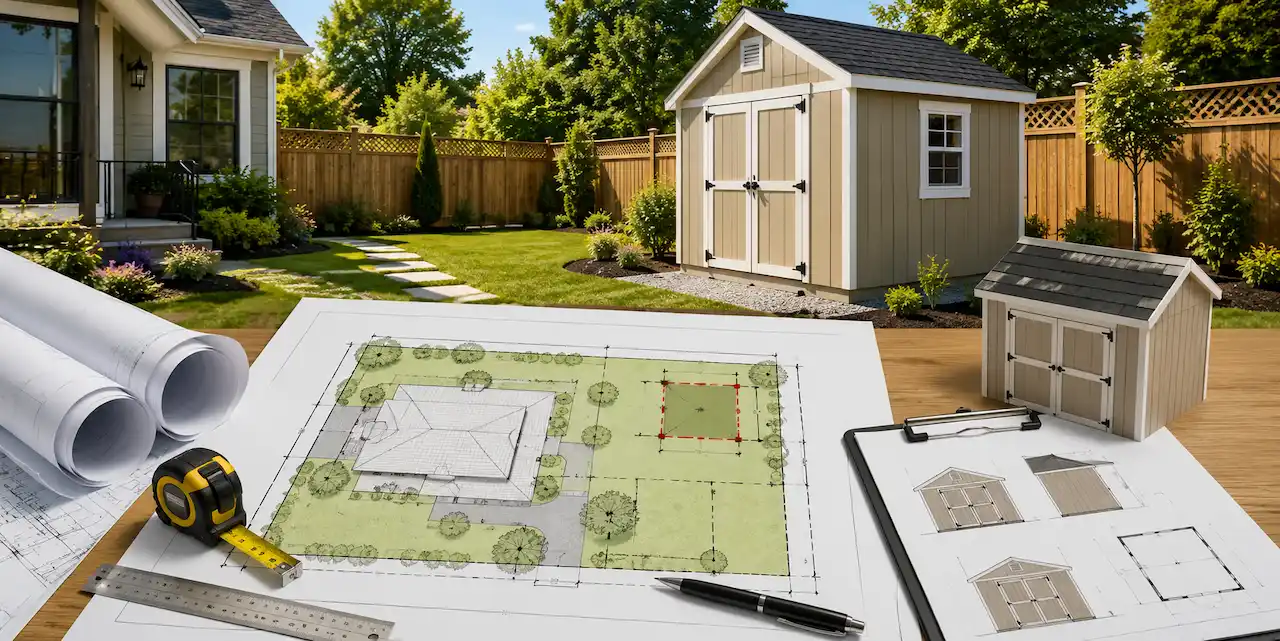
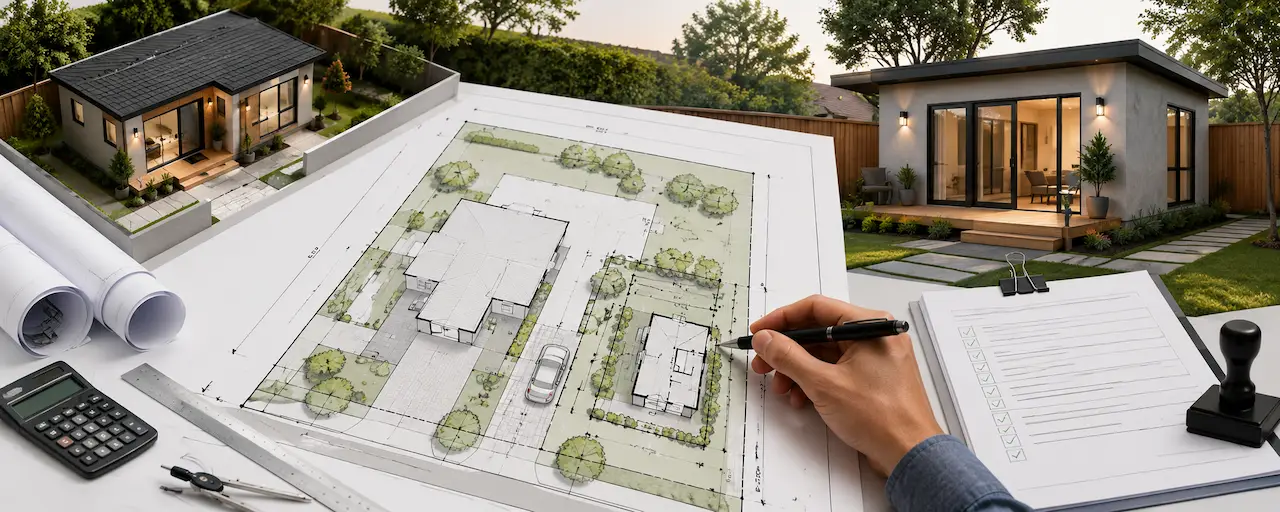
A residential site plan is a scaled, top-view drawing of your property. It shows your existing home, all other structures on the lot, and wherever your proposed project will be placed with all the setback dimensions, lot boundary information, and required notes that your building department needs to review and approve your permit.
It is not a floor plan. It doesn’t show the interior of your home. It shows the property from above — like a simplified aerial view with everything labeled.
Which Residential Projects Require a Site Plan?
Almost any exterior project that requires a building permit also requires a site plan. The most common ones we prepare:
Pool and Spa Permits
A pool permit site plan shows the pool location, all setbacks from property lines, barrier fence details, equipment pad location, and impervious surface calculation including the pool deck. In Florida, it must also show compliance with the Florida Residential Swimming Pool Safety Act (F.S. 515.29). Visit Site Plans FL for Florida pool permit site plans.
Fence Permits
A fence permit site plan shows the fence line location, distance from property lines, fence height, gate locations, and any corner lot sight triangle clearances.
Shed and Accessory Structure Permits
A shed site plan shows the shed placement on the lot, distance from all property lines, distance from the main house, and the shed dimensions.
Deck and Patio Permits
A deck site plan shows deck dimensions, height above grade, attachment point to the house, setbacks from property lines, and impervious surface impact.
Home Additions
An addition site plan shows the existing house footprint, the proposed addition footprint, all setbacks from property lines, and impervious surface.
Garage Additions
A garage site plan shows garage location (attached or detached), all setbacks, driveway connection, and impervious surface.
ADU Plans
An ADU site plan shows the accessory dwelling unit location, setbacks, parking, utility connections, and lot coverage. Learn more: ADU Plans
Driveway Permits
A driveway site plan shows the driveway width, location, connection to the street, and impervious surface calculation.
For a full list, see our Residential Site Plans page.
What Information We Need to Prepare Your Plan
You don’t need to provide technical drawings or hire a surveyor. Here’s what we need:
- Your property address
- The type of project (pool, fence, shed, etc.)
- Approximate dimensions if you know them (pool is 15 x 30 ft, fence runs along the back of the property, etc.)
- Your permit comments from the city or county if you have them
- Survey or plat map if you have one (not required for most projects)
- Photos of the property if helpful
We pull GIS data, parcel records, and zoning information for your address. We draft the plan to scale, formatted for your city’s submission system.
Common Residential Permit Mistakes
These are the issues I see most often on residential site plans that get rejected:
Missing setback dimensions.
The most common rejection. All four distances from the proposed structure to the property lines must be labeled.
Existing structures not shown
Your shed, detached garage, existing patio, or pool must appear on the plan even if you’re not touching them.
Impervious surface not calculated
If you’re adding a pool deck, expanded driveway, or patio, you need to show the total hard surface coverage vs. the maximum allowed for your zone.
Scale missing or wrong
“Not to scale” plans get rejected automatically.
North arrow missing
Small but universal requirement.
For Contractors and Pool Companies
We work with contractors, pool companies, fence installers, and permit expediters across the country. If you’re pulling multiple permits per month, we can serve as your reliable site plan drafting team — fast turnaround, consistent formatting, and free revisions on building department corrections.
Free Tools for Residential Permit Planning
Before submitting your permit, use these free tools:
- Site Plan Cost Calculator — Estimate cost for your project type
- Permit Requirements Checker — Confirm what your plan needs
- Permit Rejection Analyzer — If your plan was returned, find out exactly what needs to be fixed
For Florida homeowners, visit Site Plans FL — Florida-specific permit site plans with all 67 county requirements built in.
Ready to get your residential site plan?
Request a Residential Site Plan Quote | See Packages | View FAQ